
When Is Sedation Recommended for Children with Dental Anxiety?
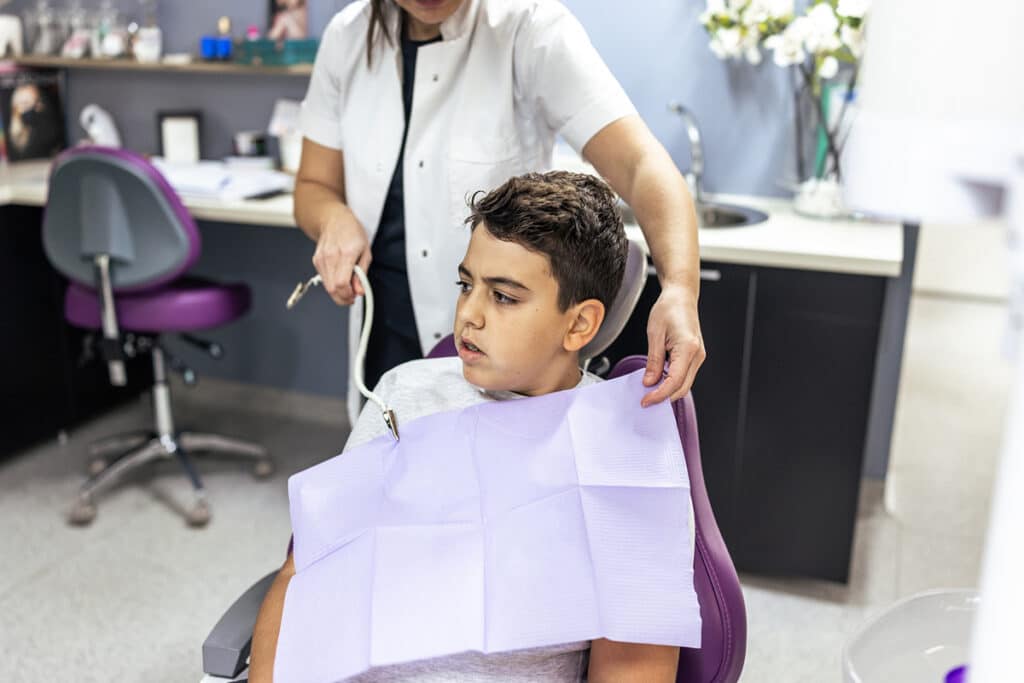
Dental anxiety is extremely common, especially in children and teens. Fear of the unknown is a big contributing factor for some young people. For others a previous negative experience at a dental appointment is the source of anxiety toward dental care. It is also common in patients with special needs, such as autism. Whatever the reason, this condition can cause unnecessary stress in mild cases and complete avoidance of dental treatment in severe cases.
Parents are often unsure of how to help their children overcome their fears. One safe and effective tool is sedation, which refers to medically induced relaxation. Varying degrees of sedation are available to meet the individual needs of each patient, creating a positive dental experience at an early age that can set the tone for a lifetime.
Understanding Dental Anxiety in Children
Dental anxiety is a multifaceted condition that manifests differently in each patient. The cause of anxiety may be expectation of pain, fear of unfamiliar environments, and memories of negative past experiences.
Children with dental anxiety may cry, refuse to sit in the dental chair, or develop psychosomatic symptoms such as stomachaches or nausea. Extreme resistance to attending dental appointments is often a sign that there is a bigger concern than just mild nerves.
What Is Pediatric Dental Sedation?
Sedation helps children relax while remaining safe and monitored. Safety protocols are used under professional supervision to ensure a smooth experience.
There are a few different forms of pediatric dental sedation, including:
- Nitrous oxide. The most common and mildest form of sedation is nitrous oxide, also known as “laughing gas”. It is administered through a mask placed over the nose. As the patient breathes it in, a sense of relaxation and calmness takes over. The patient remains awake, just less aware. It takes effect in a matter of minutes and wears off just as quickly.
- Conscious oral sedation. An oral sedative can be prescribed in pill or liquid form for the child to take prior to their appointment. While under oral sedation the patient is still awake, just relaxed and sometimes sleepy or groggy. Oral sedation can take up to an hour to take effect and a few hours to wear off afterwards. Because an oral sedative takes effect before the appointment, it can help children be more cooperative about going and upon arrival at the dental office.
- IV sedation. To achieve a deeper level of sedation, an IV can be placed in the child’s arm to deliver a stronger medication. During IV sedation the patient will be technically conscious, but completely unaware of their surroundings. They will likely have no memory of the procedure afterwards. The effects of IV sedation can take a few hours to wear off and typically require rest for the remainder of the day.
- General anesthesia. The deepest level of sedation used in dentistry is general anesthesia. This type must be administered in a hospital setting to allow for monitoring. The patient will be completely unconscious throughout the procedure. This is typically an out-patient procedure, but overnight monitoring may be necessary in certain cases.
When Is Sedation Recommended for Children with Dental Anxiety?
Sedation may be appropriate in cases of:
- Severe anxiety. If a child’s anxiety is so severe that receiving dental care is a hardship on everyone, including parents, the child, and the dental team, sedation may be a worthwhile consideration.
- Special healthcare needs. Patients with special healthcare needs, such as physical, mental, or emotional disabilities, may benefit from sedation to receive the care they need safely.
- Extensive treatment. Some procedures are complex, lengthy, and invasive enough to require sedation.
- Strong gag reflex. Children with a strong gag reflex may need sedation to get through routine dental visits as well as more complex procedures.
Dentists evaluate each child individually before recommending sedation. The goal of sedation is to ensure comfort, cooperation, and successful treatment, creating a positive experience that can reduce or resolve dental anxiety.
Helping Your Child Feel Comfortable at the Dentist
There are alternatives to sedation for parents who wish to help their child overcome anxiety in other ways. Through gentle communication and child-friendly explanations, children will know what to expect and may feel less afraid. Positive reinforcement can also help children be more cooperative when it comes to receiving dental care.
The dental team at Kids and Teens Dental Place provides compassionate care for all patients, including those with dental anxiety. We are patient and gentle, keeping the visit positive and relaxing in every way possible. Contact us today to learn more and schedule an appointment.
Frequently Asked Questions About Pediatric Sedation Dentistry
Is sedation dentistry safe for children?
When administered by trained professionals and with proper monitoring, sedation is considered safe. A complete medical history will be gathered prior to the administration of any form of sedation and careful monitoring will take place throughout.
Will my child be asleep during sedation?
Different types deliver varying levels of sedation. Patients remain while under the effects of nitrous oxide and conscious oral sedation. During IV sedation and under general anesthesia your child will most likely feel as if they were asleep, as they will typically have no memory of the procedure.
At Kids and Teens Dental Place, we are dedicated to creating a comfortable and positive dental experience for every child we serve. Our team understands that dental anxiety is real, and we take the time to recommend the safest and most appropriate solutions for your child’s needs. To learn more or schedule an appointment, contact us today.